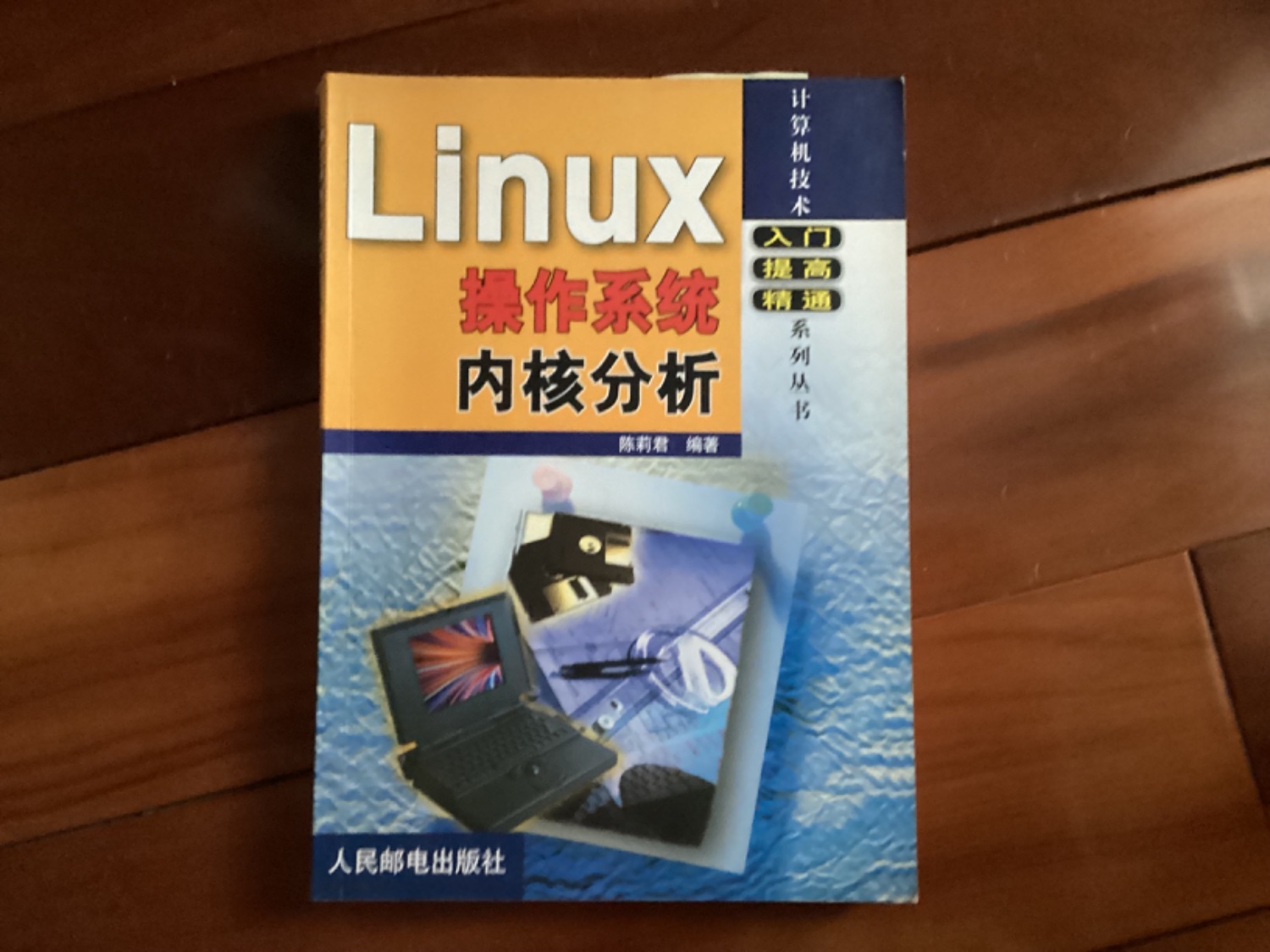
skumky@lemmy.todaydeleted by creator to linuxmemes@lemmy.world · 2 years agoFound this old book about Linux in my grandma's bookshelf, it's pretty cool.lemmy.todayexternal-linkmessage-square14linkfedilinkarrow-up1293arrow-down15
arrow-up1288arrow-down1external-linkFound this old book about Linux in my grandma's bookshelf, it's pretty cool.lemmy.todayskumky@lemmy.todaydeleted by creator to linuxmemes@lemmy.world · 2 years agomessage-square14linkfedilink
minus-squarecygnus@lemmy.calinkfedilinkarrow-up5arrow-down1·edit-22 years agoEdit: My bad, I didn’t notice the character correctly Chinese is full of beautiful compound words like this. “You’re welcome” for example (bukeqi, 不客气) is “not guest air”. Happy (gaoxing, 高兴) is “high mood”, or cheerful (kaixin, 开心) is “open heart”.
minus-squareNorthWestWind@lemmy.worldlinkfedilinkarrow-up5·2 years agoNo. Person is 人. This character is 入, it means “going inside”. The difference is which stroke is on the top, the left or the right.


Edit: My bad, I didn’t notice the character correctly
Chinese is full of beautiful compound words like this. “You’re welcome” for example (bukeqi, 不客气) is “not guest air”. Happy (gaoxing, 高兴) is “high mood”, or cheerful (kaixin, 开心) is “open heart”.
No.
Person is 人. This character is 入, it means “going inside”. The difference is which stroke is on the top, the left or the right.