

1·
13 days agoI’ve had an issue where I can’t log in on my main screen
I joined Lemmy back in 2020 and have been using it as qaz@lemmy.ml until somewhere in 2023 when I switched to lemmy.world. I’m interested in Linux, FOSS, and several other subjects.
I’ve had an issue where I can’t log in on my main screen

You can buy Tuya Zigbee plugs, they’re cheap and work with Home Assistant

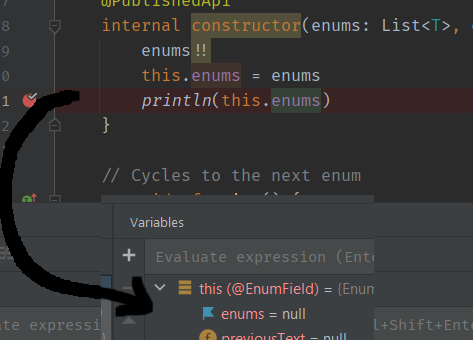
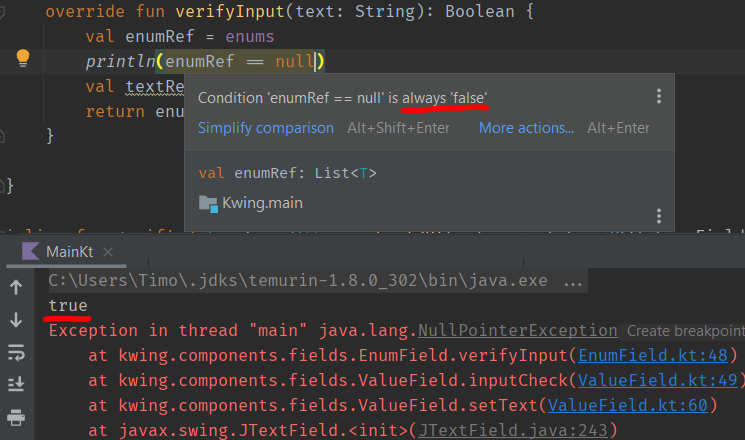
It was about 3 years ago, and I haven’t been able to find my old code again. I probably discarded it after finding out it didn’t work well.
I was able to find these screenshots though:
Yes
I broke the type system in Kotlin and ended up with a null value in a non-null (not lateinit) variable.
I didn’t really consider the possibility of the client being compromised yet, good point.
I’ve apparently been missing this button for several years. Thanks!

You can forward a Wireguard port, exposing it to the internet.
A couple of questions
How do you store a driver’s license in Bitwarden? Last time I checked they didn’t support file storage. Do you just put it in the cloud storage?
Considering Bitwarden is E2EE, what would be the benefit of storing it at another company in case they are hacked?
I’d be more worried of they were pro-Covid
What are you using it for?
I don’t think you need graphics acceleration for the terminal
Could you give an example of something related to hardware that most developers don’t know about?
With Rust it’s usually just a fluke that can be fixed by doing that, but C++ linker errors may indicate the start of several frustrating hours. That’s been my experience at least.
This would have been better with Rust and C++
Since the method is encryption of the notes folder, I would consider it to be one
This is a security risk! Some note taking apps store data outside of the notes directory (e.g. Logseq)
Numeric .xyz domains only cost $1 a year. They’re not great for things like mail because they’re often used by spammers (probably because of the price), but it’s great for cheap signed DNS hostnames.
I point it to the server on my local network and use Wireguard to connect myself.
I still wonder why they decided to write their own UI framework from scratch.






Afaik this is for servers without a built-in KVM like e.g. self built servers or repurposed workstations.